


A key financial planning goal for many people is to ensure their family and loved ones are supported and secure once they’re gone. This is why estate planning is such an important component of your financial plan.
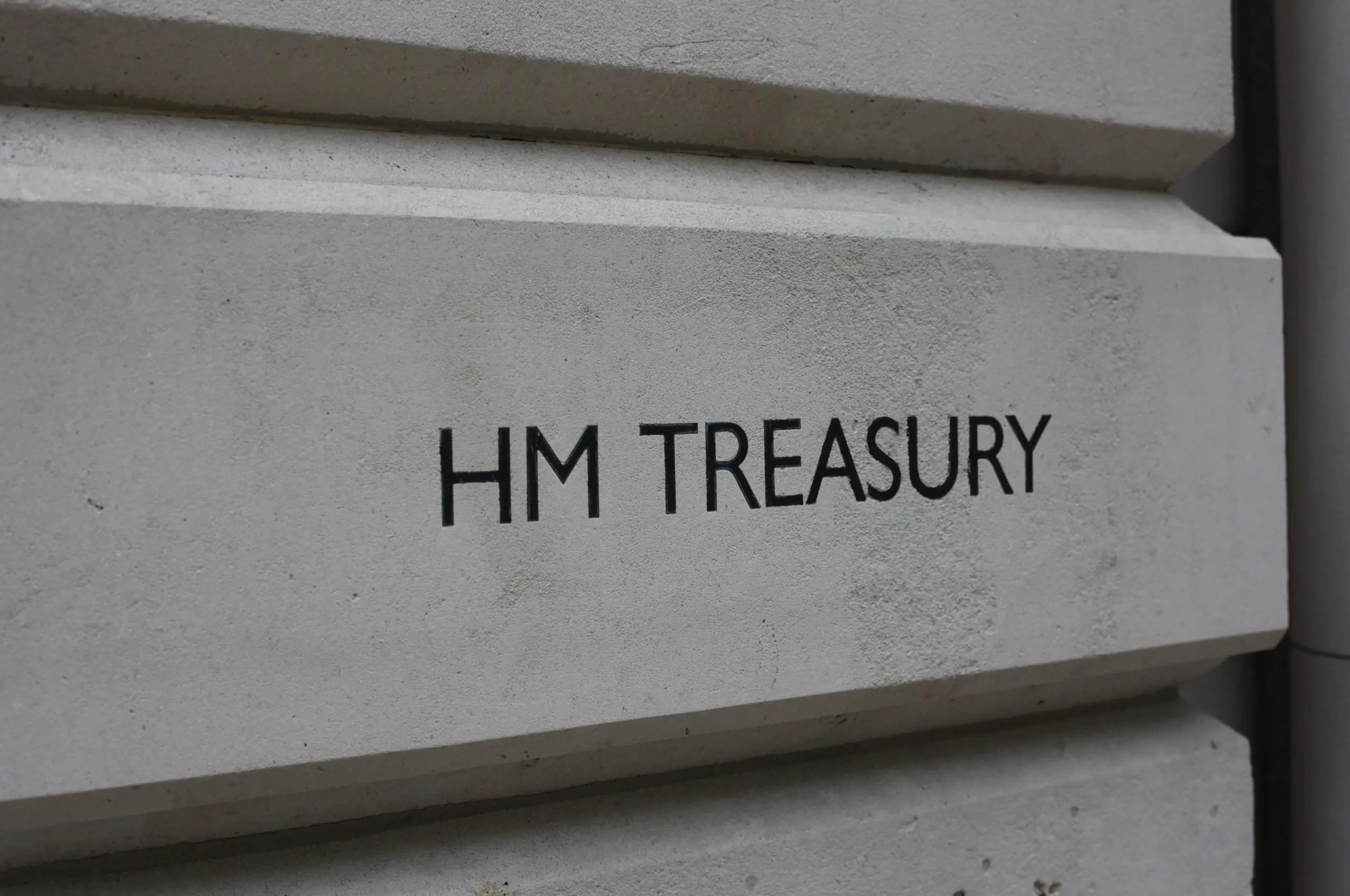
However, as the values of estates rise and HMRC collects more in Inheritance Tax (IHT), investigations into estates underpaying have significantly increased. Indeed, MoneyWeek reports that HMRC investigations have risen by 41% over the last year.
Even if your estate hasn’t underpaid, the stress of an investigation could cause a lot of frustration and extra work for your family, so it’s best to do what you can to avoid one.
Read on to find out why IHT investigations have been rising and what steps you can take to protect your estate from one.
The rising value of estates and Inheritance Tax revenue has led to more investigations
The increase in IHT investigations is largely due to estate sizes rising in value over time and subsequently higher IHT receipts. As more money falls within the scope of IHT, HMRC has more potential cases to investigate.
Data from Statista shows that IHT revenues have hit new records for the past four years, with receipts reaching around £8.25 billion in 2024/25. This largely comes from frozen IHT thresholds combined with increasing asset values, which have pulled more estates into the tax net.
The upcoming changes to IHT rules, including bringing pensions into its scope and limiting certain reliefs, are likely to further increase revenue, and in turn, investigations are also likely to rise.
You can read more about the future changes to IHT in our previous article on the topic.
Several triggers may initiate an HMRC investigation
HMRC typically initiates an IHT investigation when there are red flags or anomalies, but it can also be caused by complex estate plans or high-value estates. Here are some of the main triggers:
- High-value estates – Estates with significant assets are more likely to be scrutinised, especially if they include complex holdings or financial arrangements, such as foreign property or offshore accounts.
- Discrepancies or errors on the IHT forms – This could include inaccurate or omitted valuations, or missing information about arrangements such as gifts or trusts.
- Significant gifts or transfers before death – Gifts made within seven years of death are more likely to be investigated, as are multiple transfers into trusts.
- Life insurance policy premiums – HMRC may look at bank statements for evidence of payments towards life insurance policies. If these policies weren’t written in trust, their value could form part of the taxable estate.
- Use of reliefs – Significant claims of Business Relief, Agricultural Relief, or other reliefs can attract attention.
Essentially, anything unusual, inconsistent, or high value can trigger an IHT investigation. You may not have made a mistake or done anything wrong, but complex estate planning may lead to scrutiny.
If HMRC suspects Inheritance Tax has been underpaid, it will conduct an investigation
Once they’ve received an estate report, HMRC will conduct a review to ensure all the information is accurate and complete.
If they notice any unusual activity, such as the kind you read earlier, they will contact the executor or their solicitor and request additional information or supporting documents. This may include bank statements, property valuations, records of gifts, or details of other arrangements such as life insurance policies or trusts.
If HMRC then determines that the estate has underpaid IHT, they will charge further payment including interest and a possible penalty. Once the tax liability is fully paid, the investigation will close.
4 steps that can help ensure HMRC doesn’t investigate your estate
Even if an HMRC investigation doesn’t result in additional tax, it can still be stressful and time-consuming for your beneficiaries.
Taking the following four steps now can help make the process smoother and minimise the chance of your estate arousing suspicion.
1. Maintain detailed records
Keeping well-organised records of any gifts, asset valuations, and transfers during your lifetime shows transparency and can make it easier to confirm what is and isn’t liable for IHT.
As part of this, it’s a good idea for any professional advisers you work with, such as accountants, solicitors, and financial planners, to be in coordination with one another. This can help ensure your estate planning is consistent and documented by multiple sources, and reduces the risk of errors or misunderstandings later.
2. Give gifts sooner rather than later and avoid retaining any benefits
If you want to give gifts to your loved ones to offer them more immediate and efficient support, it’s a good idea to do so as early as possible. If you die within seven years of giving the gift, it may be liable for IHT and, depending on the size of the gift, could trigger an investigation.
Moreover, it’s important that you don’t continue to benefit from any gifts you give, because if you do, it may still be liable for IHT. For example, gifting your home to your children while continuing to live there could still incur tax unless it can be proved that you paid market-rate rent.
3. Plan ahead
Making last-minute transfers into a trust or suddenly relinquishing control of major assets could attract HMRC’s attention.
That’s why integrating estate planning into your wider long-term plan well in advance can help ensure your decisions are both tax-efficient and not suspicious.
4. Work with a financial planner
A financial planner can work with you to create an estate plan that minimises your IHT exposure and avoids common mistakes that may trigger investigations.
They can also use cashflow modelling to project how your estate may evolve over time. This can help you understand how much your beneficiaries are likely to receive and what mitigation strategies might work best without compromising your own financial security.
Get in touch
Our team of independent financial advisers in Lewes is here to support you in developing a watertight estate plan that’s clear and ensures your beneficiaries are looked after.
To find out more, please get in touch by emailing us at financial@barwells-wealth.co.uk or by phone on 01273 086 311.
Please note
This article is for general information only and does not constitute advice. The information is aimed at retail clients only.
All information is correct at the time of writing and is subject to change in the future.
Please do not act based on anything you might read in this article. All contents are based on our understanding of HMRC legislation, which is subject to change.
The Financial Conduct Authority does not regulate estate planning, cashflow planning, tax planning, or trusts.



 Production